How to Create an Instagram Content Calendar for Your Business
A practical framework for planning Instagram reels and posts for Indian businesses, including mix, timing, approval flow, and a month you can actually stick to.
Govyrl Team
Updated 29 July 2026

On this page+
Why calendars beat last-minute posting
Most Indian SMEs do not fail at Instagram because they lack ideas. They fail because content decisions happen at 11 PM on a busy day, when energy is low and quality drops. A calendar moves those decisions earlier: themes, formats, CTAs, and product focus get locked before the week starts.
Consistency compounds. Instagram rewards accounts that show up on a predictable cadence more than accounts that post seven times one week and disappear the next. A calendar is how you protect that cadence when festivals, stockouts, or staffing gaps hit.
Treat the calendar as an operations document, not a mood board. Every row should answer: what format, which pillar, which product or offer, which CTA, and who approves it before publish.
Define 3–5 content pillars first
Before you pick dates, pick pillars. Pillars are the recurring jobs your content does for the business. For most brands, a useful set is: education (how to choose, use, or compare), proof (reviews, results, process), offer (launches, bundles, limited windows), and human (team, kitchen, workshop, founder).
A simple monthly balance for SMEs is roughly 40% education, 25% proof, 20% offer, and 15% human. Adjust after you see which pillars earn saves and profile visits. If every post is promotional, engagement usually decays because the feed feels like ads.
Map each pillar to a format. Reels usually carry discovery and craving. Image posts and carousels carry FAQ answers, comparisons, and saveable checklists. Stories can stay out of the main calendar until your tooling supports them reliably.
Pick a reel and post mix you can sustain
Start with bandwidth, not wishful virality. A common starter mix for Indian local businesses and D2C brands is 5 reels and 15 image posts per month. That is roughly one reel a week plus a few feed posts, which most teams can batch in one production block.
Reel-heavy months (for example 10 reels / 0 posts) work when you have strong visual assets—product photography, kitchen process, or service demos—and want discovery. Post-heavy months work when you need to clarify offers, answer objections, or support a sale with saveable explainers.
Rule of thumb for 2026: two to three strong reels per week is enough for discovery if quality holds. Three to five total feed pieces per week (reels plus posts) beats daily fluff you abandon by week three. Choose a mix you can still hit during Diwali week or a stockout week.
Map content to days and times
Distribute pillars across the month so every week has proof, education, and at least one offer or CTA. Avoid stacking four promotional posts in a row, then vanishing. A simple pattern: Monday education reel, Wednesday proof post, Friday offer reel, weekend FAQ or ambience post.
For Indian audiences, common high-activity windows are 8–10 AM IST, around lunch (1–2 PM), and 7–9 PM IST. Food brands often win near meal-planning times; D2C fashion and beauty often win in evening browse sessions; B2B tips often land better on weekday mornings.
Example week: tomorrow 9 AM reel for a product demo, day after tomorrow 6 PM post for an FAQ or offer, Thursday noon carousel-style tip post, Saturday evening process or ambience reel. Always override generic “best times” with your Instagram Insights audience activity when you have enough data.
Build the calendar in layers, not one giant spreadsheet
Layer 1 is the month outline: dates, formats, pillars, and hero SKUs or services. Layer 2 is the creative brief: hook, caption angle, media needed, CTA. Layer 3 is status: draft, in review, approved, scheduled, published, failed.
Plan three to four weeks ahead at outline level, but finalize only one to two weeks of fully approved creatives at a time. That keeps you responsive to trends, stock changes, and festival offers without rebuilding the whole month.
Batch production. Shoot or generate assets in one sitting, write captions in a second block, then schedule. One focused Sunday block usually beats seven fragmented weeknight sessions.
Review before publish
Human approval protects brand voice and compliance, especially in healthcare, finance, Ayurvedic claims, and anything involving pricing or results. AI can draft fast; a person still needs to catch overclaims, wrong prices, and off-brand tone.
Your review checklist should include: claim accuracy, spelling of product names, CTA clarity, visual quality on mobile, and whether the scheduled time still matches inventory and campaign dates.
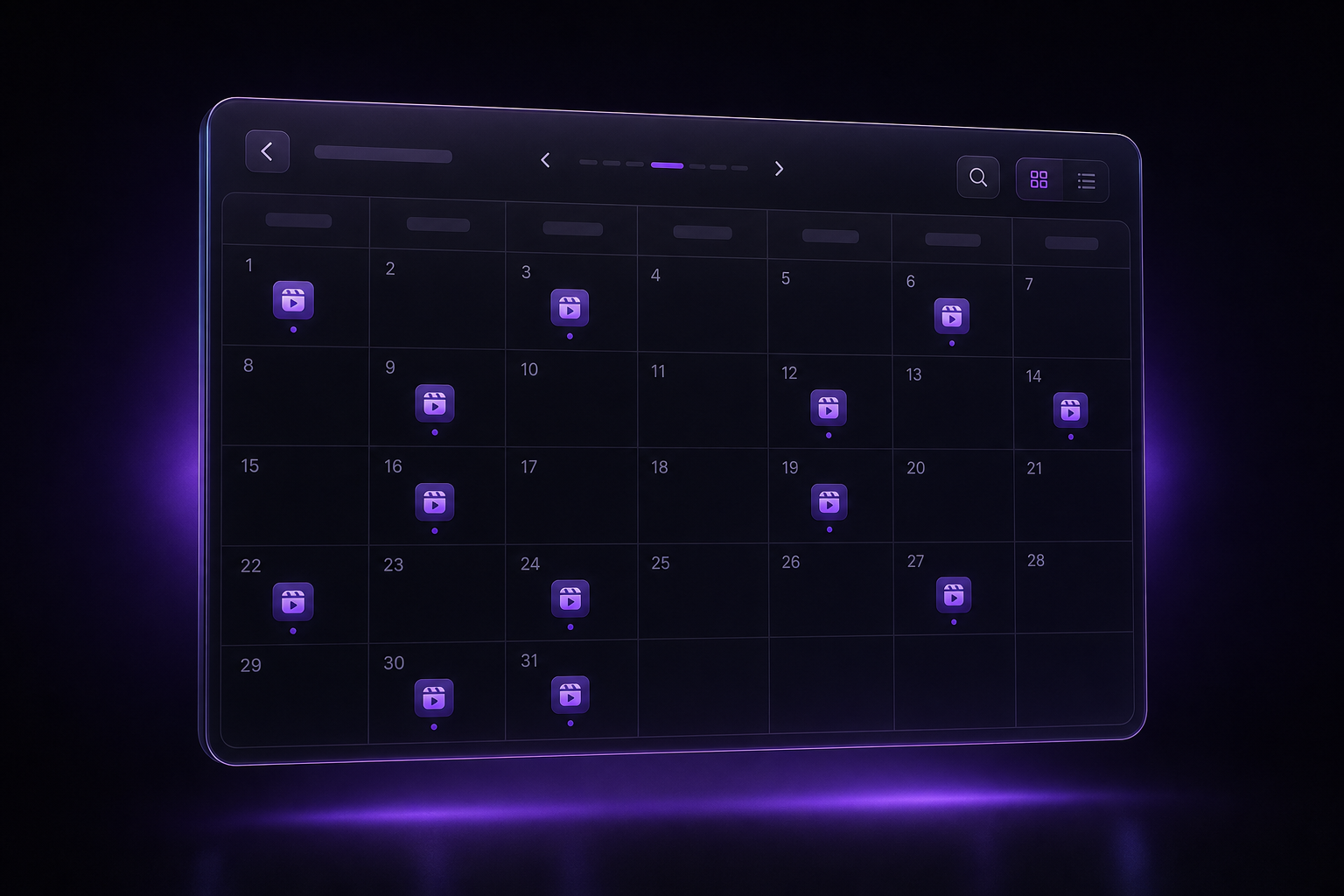
Govyrl generates a month of reels and posts you can edit on the Instagram content calendar before auto-publishing through Meta. Failed or unfinished drafts stay off Instagram until you approve them—so the calendar stays a control surface, not a firehose.
Review the month, then reset the mix
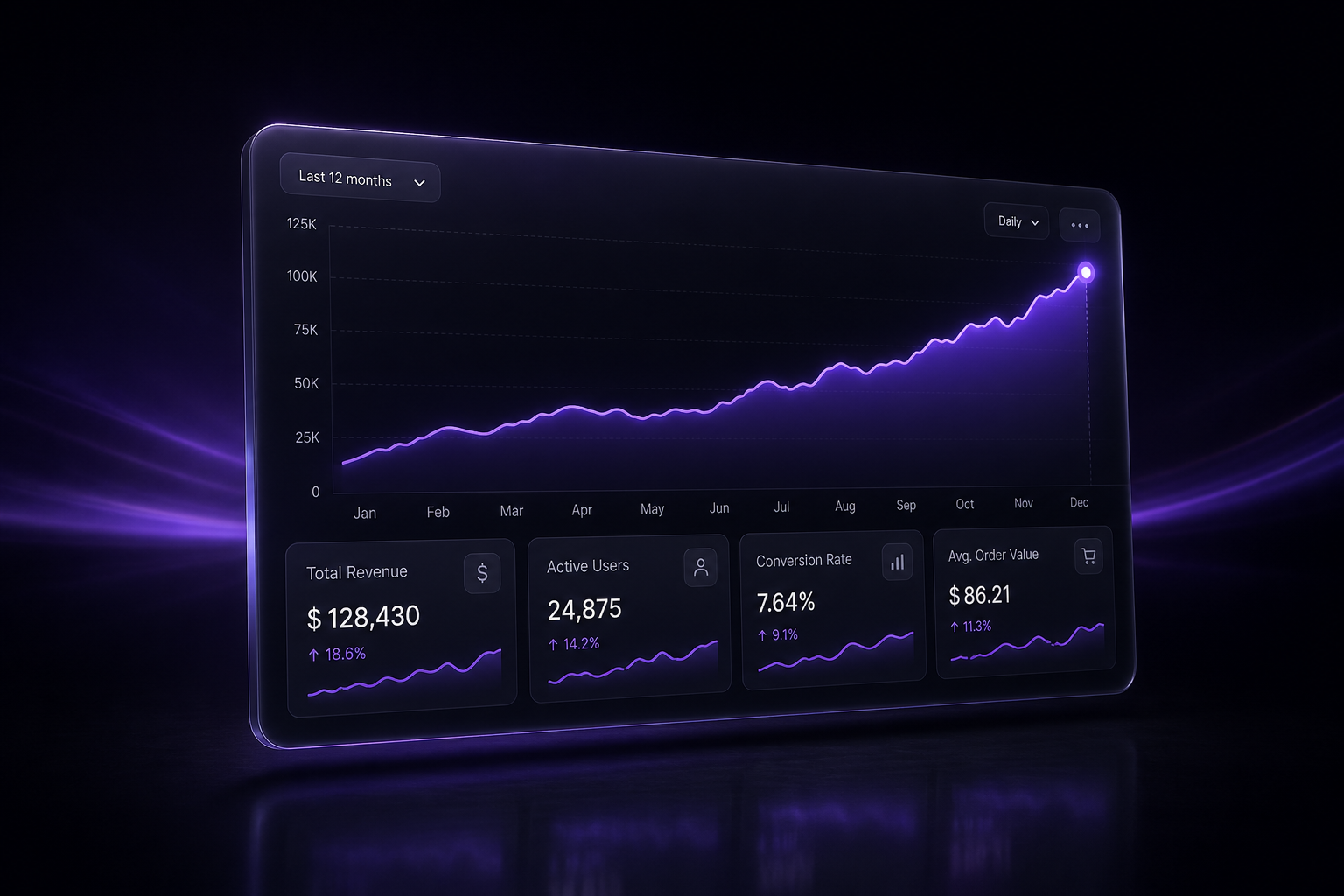
At month end, look at reach, engagement rate, saves/shares where available, profile visits, and follower change—not only likes. Double down on pillars and formats that earned saves and profile visits. Cut the fillers.
If reels drove reach but posts drove inquiries, keep both. If one reel format repeatedly underperformed, change the hook pattern before you change the posting frequency. Frequency fixes rarely fix weak creative.
Then set next month’s mix with evidence. That closed loop—plan, create, approve, publish, measure—is what turns a content calendar from a pretty template into a growth system.
Next step
Ready to turn this into a live Instagram calendar?
Plan your mix, generate reels and posts, review once, and publish on schedule.